DIAGNOSE & TREATMENTS
Topical corticosteroids reduce inflammation in selected skin conditions. They come in different strengths and forms, and the right preparation depends on the diagnosis and body site.
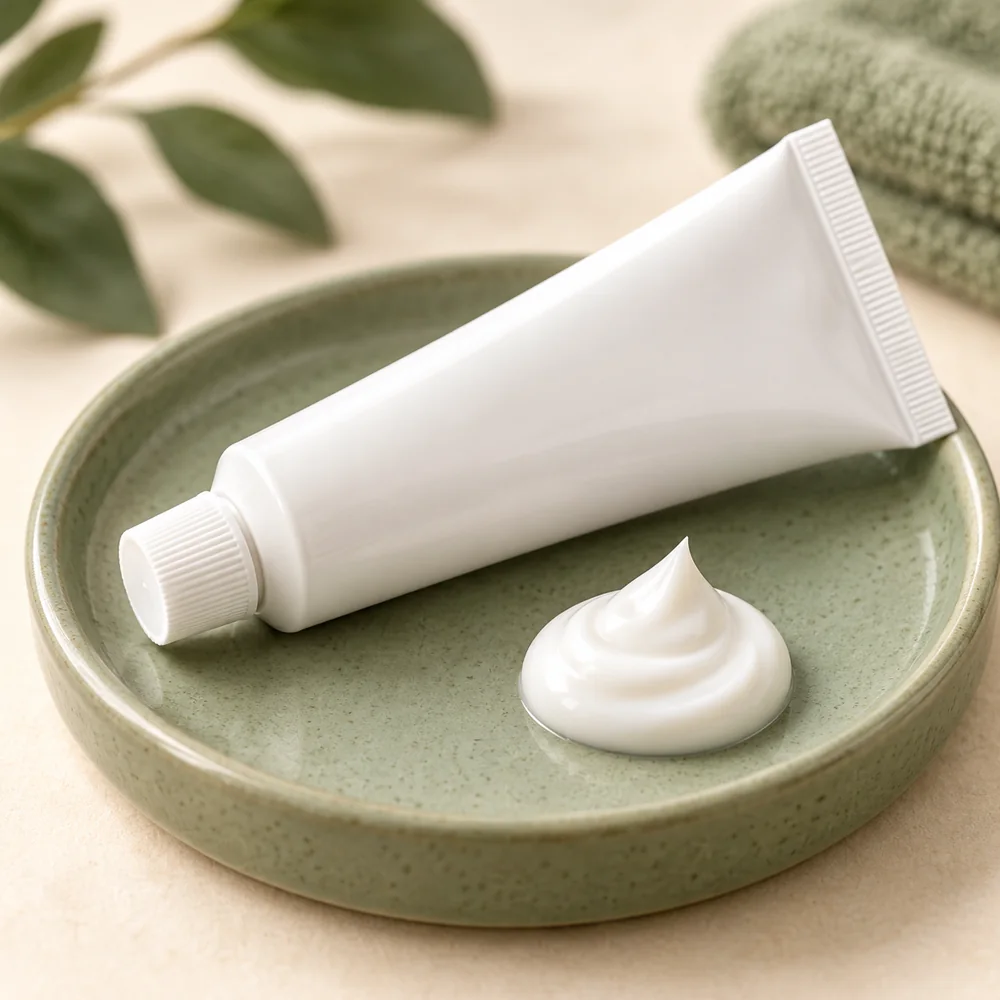
Understanding topical corticosteroids
A product suitable for thick skin on the body may be unsuitable for eyelids, face or skin folds. Age, duration of use and the extent treated also matter.
This guide expands on the topical corticosteroids topic listed on My Practice. It is a starting point for a conversation, rather than a diagnosis from a picture or a treatment prescription.
Planning your treatment
Ask your clinician to explain where, how much and how long to apply the prescribed preparation, and whether a step-down or review plan is needed.
During a consultation with Dr Saira Mohsin in Lahore, explain what has changed, how long it has been present and what you have already tried. Bring the names or packaging of current skincare and medicines so the discussion can account for your existing routine.
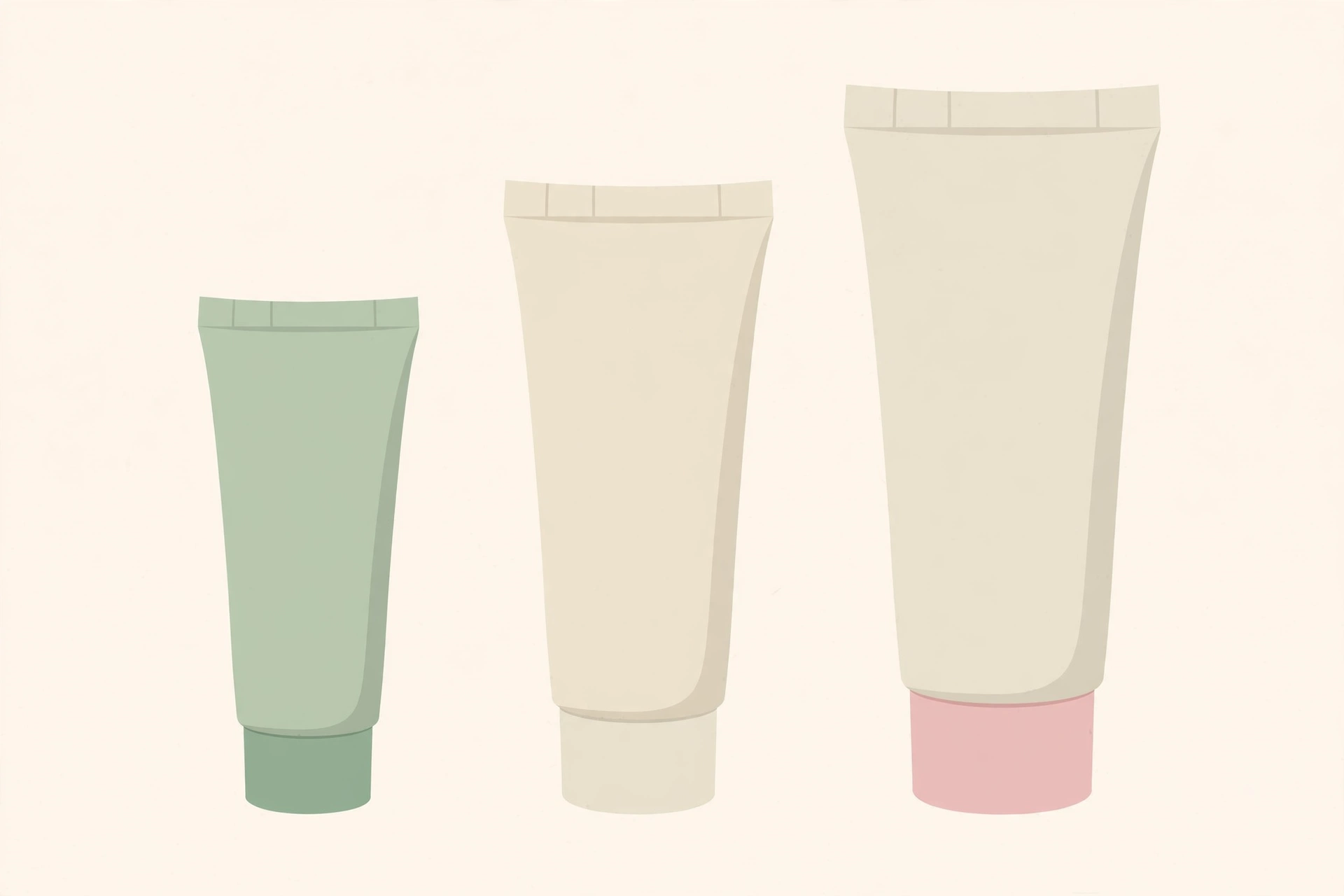
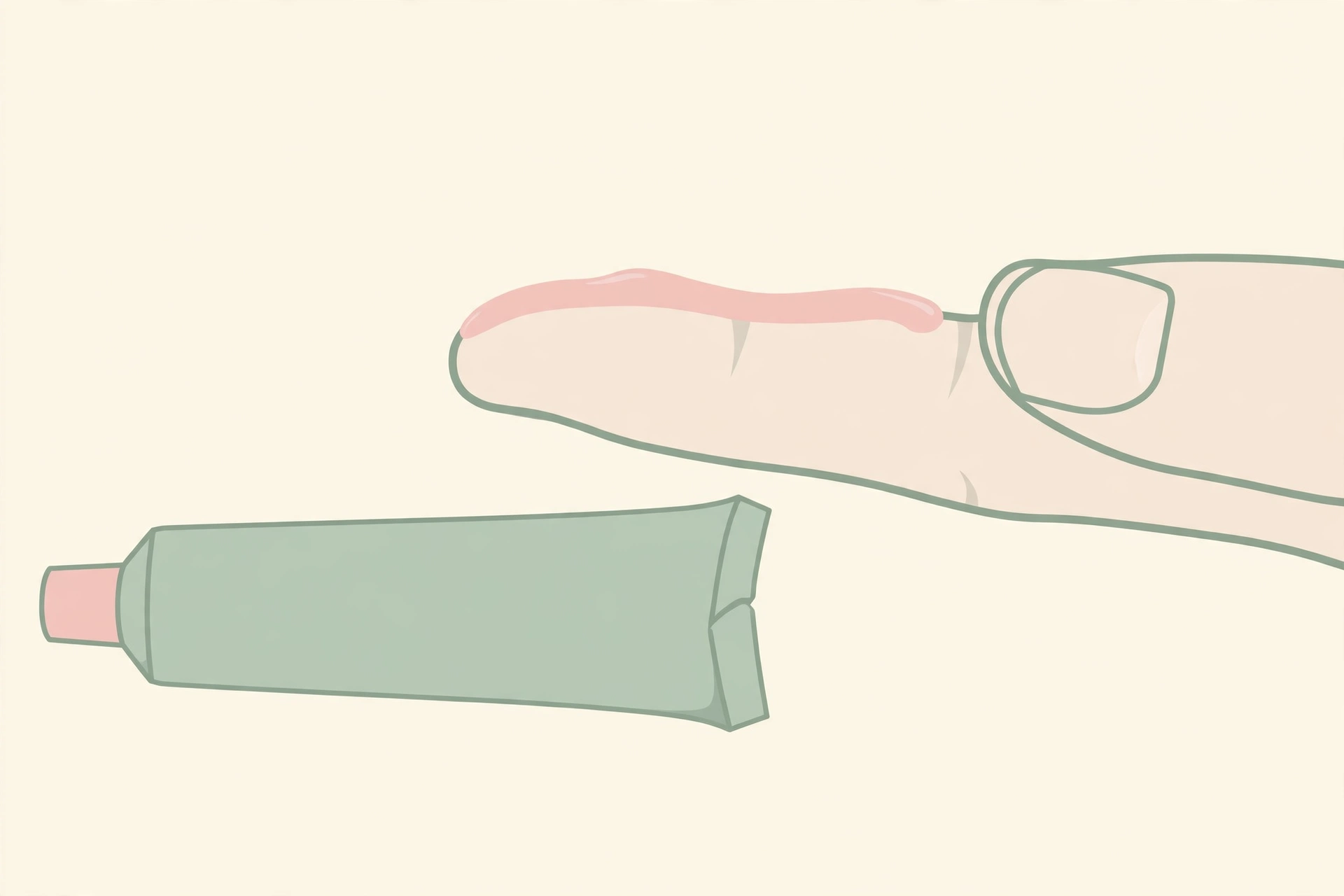
Make your consultation useful
- Share the full story. Note when the concern began, changes over time and any previous diagnoses. Photographs can help show a flare that has settled.
- Discuss your priorities. Tell the clinician about discomfort, daily disruption, work, sleep or appearance concerns, and ask what is realistic for your situation.
- Leave with a clear plan. Ask about treatment instructions, possible side effects, the timing of a review and how to contact the clinic if something changes.
When to ask for medical advice
Do not share prescriptions or repeatedly treat an undiagnosed rash with a strong steroid. Report persistent irritation, skin thinning or a rash that worsens during treatment.
Treatment suitability, availability and costs are confirmed after assessment. For specialist procedures, confirm the treating clinician, treatment location and any referral requirements before booking.
Questions before your visit
Are all steroid creams equally strong?
No. Strength varies considerably, and the percentage on the pack does not allow a simple comparison between different medicines. Follow the specific prescription.
How do I book a consultation in Lahore?
Call or WhatsApp 0336 0683917 and mention topical corticosteroids. Confirm the appointment time, location and current consultation fee before travelling. An enquiry does not establish a diagnosis or guarantee a particular treatment.
What should I bring to my appointment?
Bring a list of medicines and skincare products, previous prescriptions or test results, relevant photographs and your main questions. Mention allergies, pregnancy or breastfeeding, other medical conditions and previous reactions to treatment.
Patient information: This article provides general education. It does not replace an individual medical assessment. Images are illustrative and do not show treatment outcomes.
Further reading: DermNet — Topical corticosteroids
Book a consultation with Dr Saira Mohsin
In-person appointments in Lahore (Tue, Thu & Sat, 6–9 PM) and online consultations across Pakistan.
Book on WhatsAppView treatments