DIAGNOSE & TREATMENTS
Skin cancer: changes that deserve a clinical examination
Skin cancer includes several different conditions, including basal cell carcinoma, squamous cell carcinoma and melanoma. A skin photograph alone cannot reliably establish which type of lesion is present.
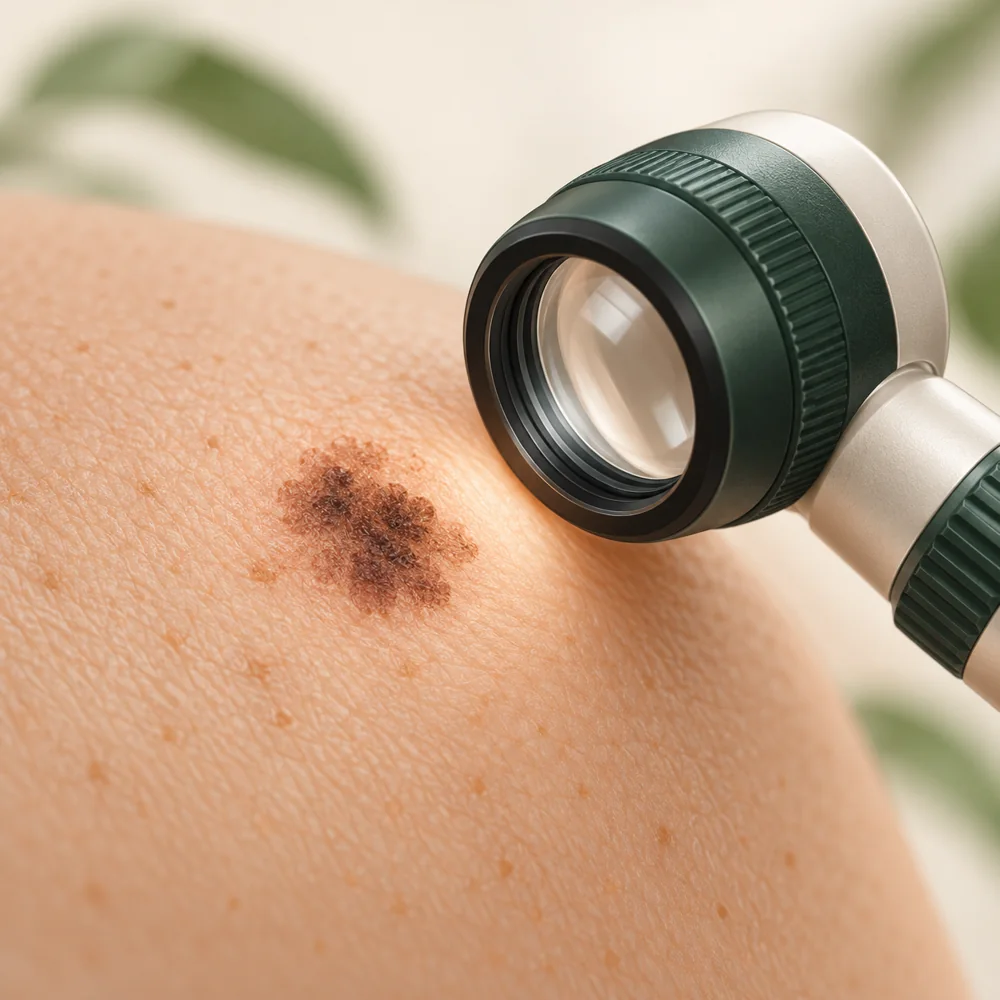
Understanding skin cancer
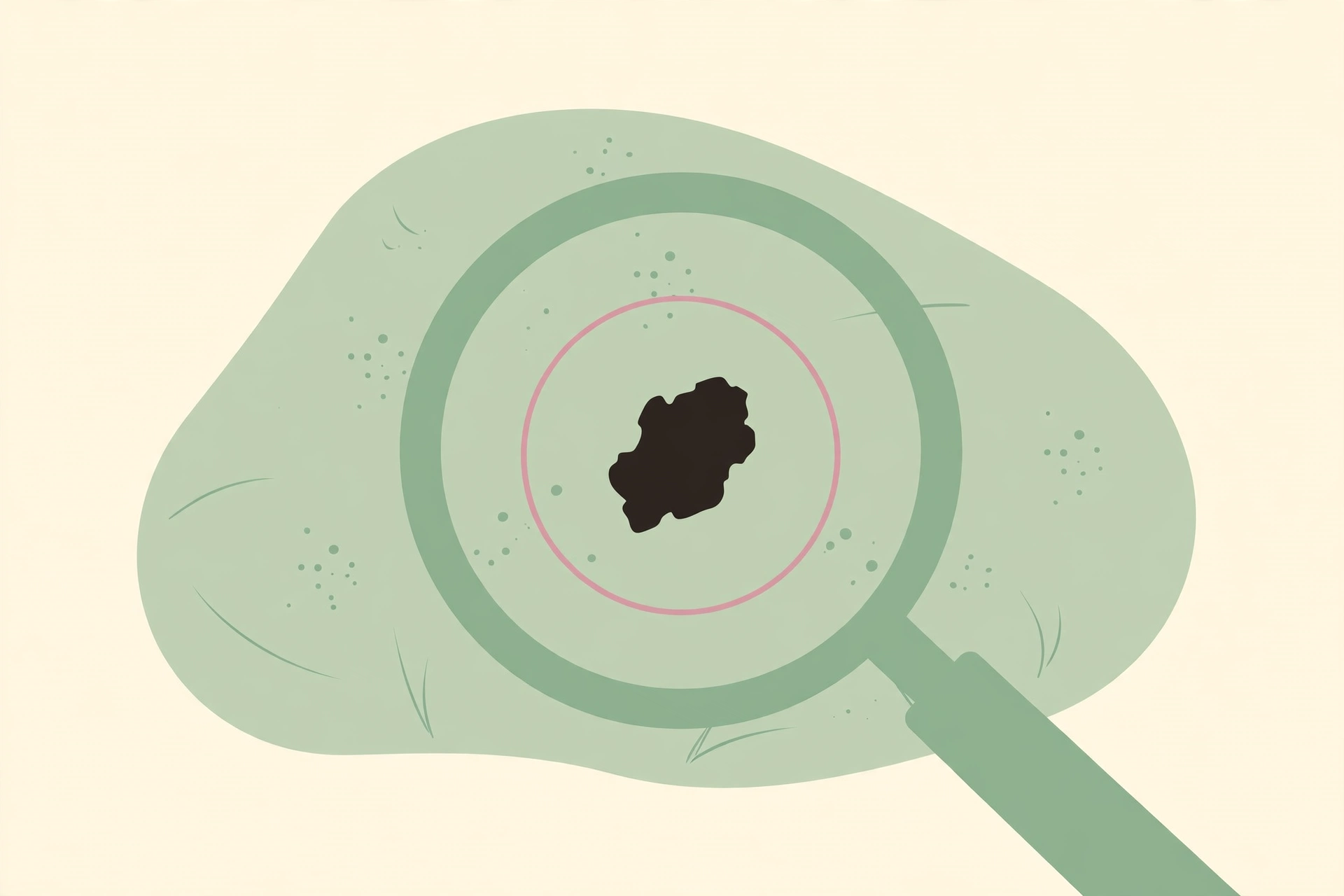
New, changing, bleeding or non-healing spots deserve attention. Skin cancer can occur in darker skin as well as lighter skin, and not every cancer looks like a dark mole.
This guide expands on the skin cancer topic listed on My Practice. It is a starting point for a conversation, rather than a diagnosis from a picture or a treatment prescription.
Assessment & care options
Assessment may include a dermatoscope and, where appropriate, a biopsy. Confirmed diagnosis, location and other findings determine treatment and whether specialist referral is needed.
During a consultation with Dr Saira Mohsin in Lahore, explain what has changed, how long it has been present and what you have already tried. Bring the names or packaging of current skincare and medicines so the discussion can account for your existing routine.
Make your consultation useful
- Share the full story. Note when the concern began, changes over time and any previous diagnoses. Photographs can help show a flare that has settled.
- Discuss your priorities. Tell the clinician about discomfort, daily disruption, work, sleep or appearance concerns, and ask what is realistic for your situation.
- Leave with a clear plan. Ask about treatment instructions, possible side effects, the timing of a review and how to contact the clinic if something changes.
When to ask for medical advice
Arrange prompt medical assessment for a suspicious or changing lesion. Do not try to burn, freeze or remove an unexplained growth at home.
Treatment suitability, availability and costs are confirmed after assessment. For specialist procedures, confirm the treating clinician, treatment location and any referral requirements before booking.
Questions before your visit
Does a changing mole always mean cancer?
No, but change is a reason to have it examined. A dermatologist can explain whether monitoring, testing or referral is appropriate.
How do I book a consultation in Lahore?
Call or WhatsApp 0336 0683917 and mention skin cancer. Confirm the appointment time, location and current consultation fee before travelling. An enquiry does not establish a diagnosis or guarantee a particular treatment.
What should I bring to my appointment?
Bring a list of medicines and skincare products, previous prescriptions or test results, relevant photographs and your main questions. Mention allergies, pregnancy or breastfeeding, other medical conditions and previous reactions to treatment.
Patient information: This article provides general education. It does not replace an individual medical assessment. Images are illustrative and do not show treatment outcomes.
Further reading: DermNet — Skin Cancer
Book a consultation with Dr Saira Mohsin
In-person appointments in Lahore (Tue, Thu & Sat, 6–9 PM) and online consultations across Pakistan.
Book on WhatsAppView treatments