DIAGNOSE & TREATMENTS
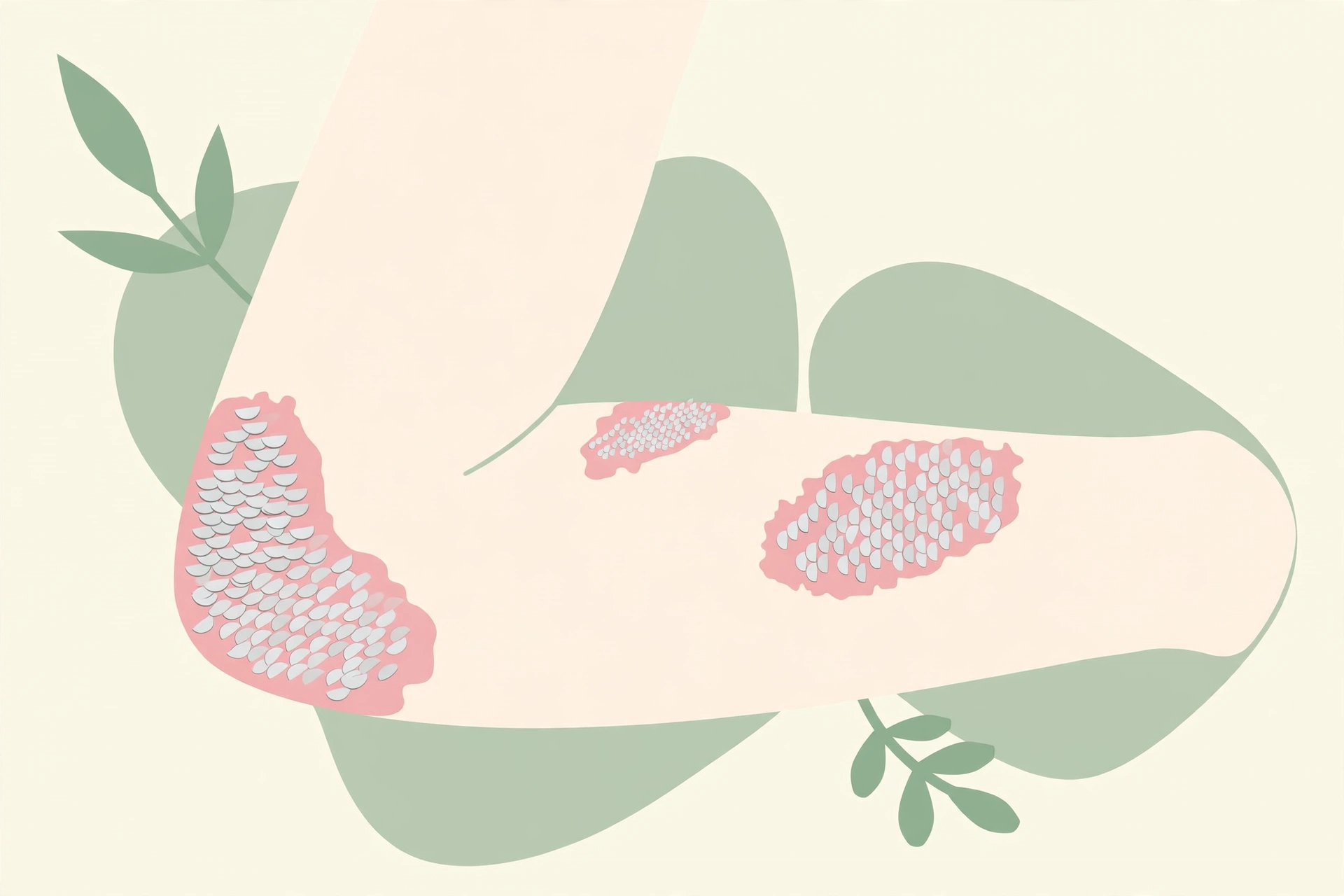
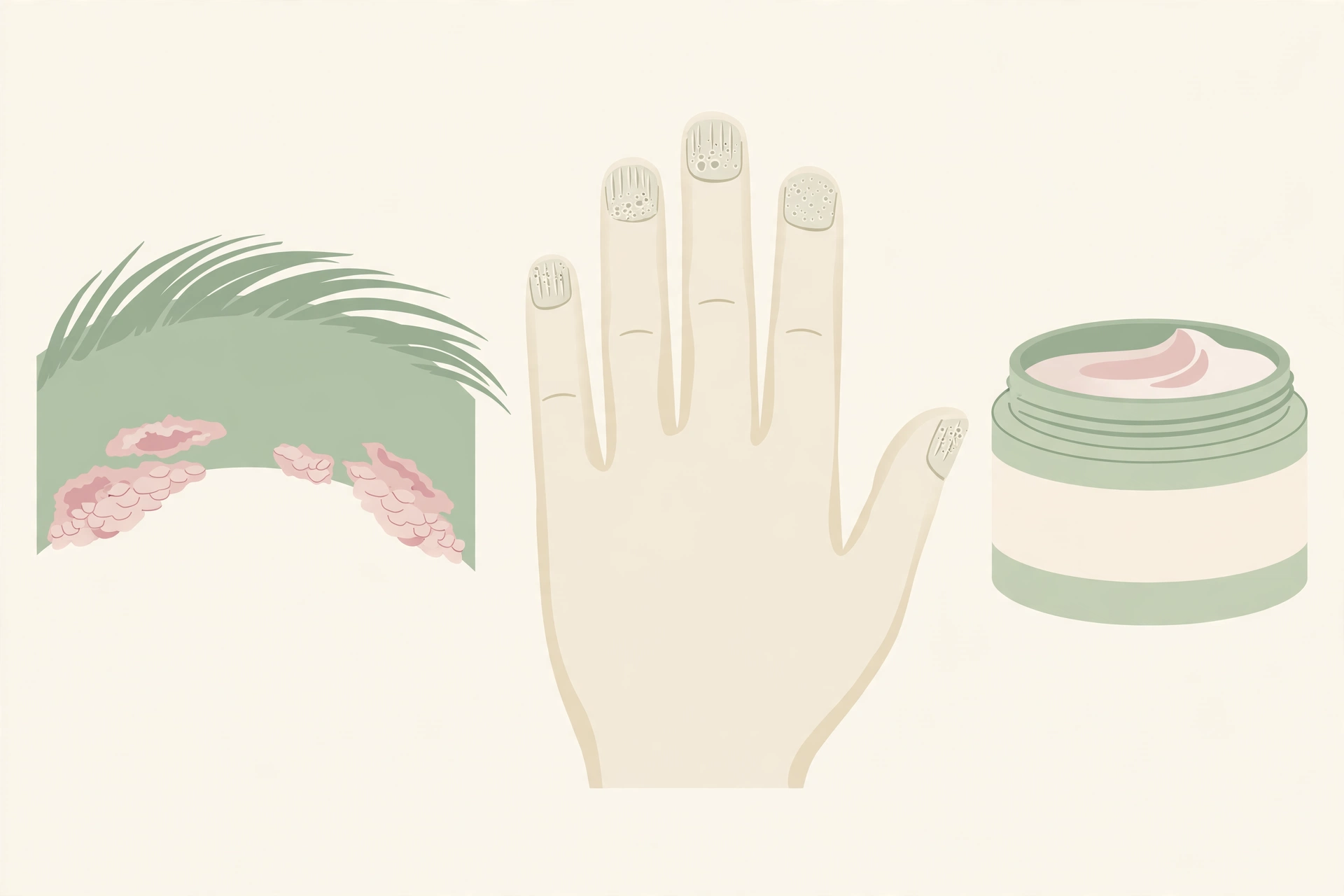
Psoriasis is an inflammatory condition that can cause persistent scaly plaques. It may involve the scalp, nails or other areas and can look different across skin tones.
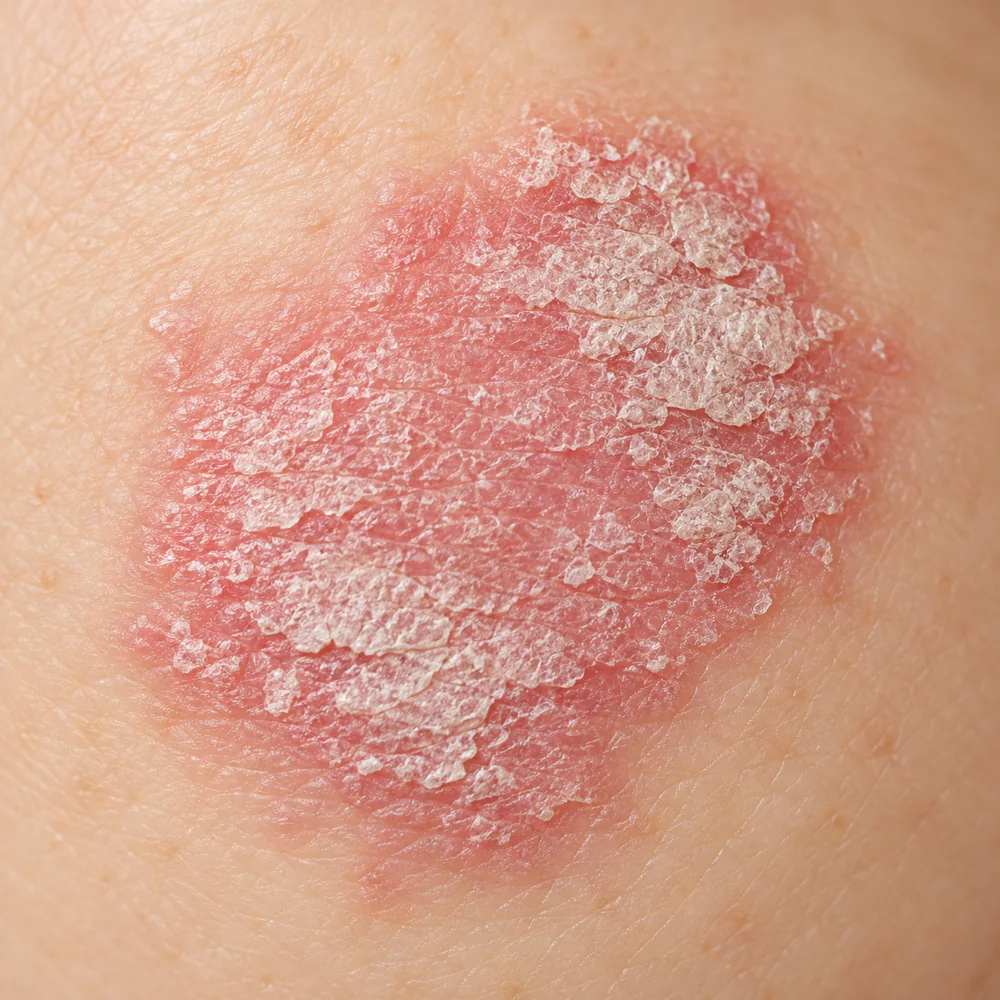
Understanding psoriasis
The area affected, discomfort, treatment history and impact on daily life matter. Joint pain, swelling or prolonged stiffness should also be discussed.
This guide expands on the psoriasis topic listed on My Practice. It is a starting point for a conversation, rather than a diagnosis from a picture or a treatment prescription.
Assessment & care options
Options can include topical treatment, medically supervised phototherapy and systemic medicines for appropriate patients. The choice depends on severity, location, other health conditions and preferences.
During a consultation with Dr Saira Mohsin in Lahore, explain what has changed, how long it has been present and what you have already tried. Bring the names or packaging of current skincare and medicines so the discussion can account for your existing routine.
Make your consultation useful
- Share the full story. Note when the concern began, changes over time and any previous diagnoses. Photographs can help show a flare that has settled.
- Discuss your priorities. Tell the clinician about discomfort, daily disruption, work, sleep or appearance concerns, and ask what is realistic for your situation.
- Leave with a clear plan. Ask about treatment instructions, possible side effects, the timing of a review and how to contact the clinic if something changes.
When to ask for medical advice
Seek review when symptoms are widespread, difficult to control or affecting joints. A sudden extensive painful rash or feeling unwell needs prompt medical assessment.
Treatment suitability, availability and costs are confirmed after assessment. For specialist procedures, confirm the treating clinician, treatment location and any referral requirements before booking.
Questions before your visit
Does everyone with psoriasis need the same medicine?
No. Treatment is chosen for the pattern, severity and individual needs, and may change over time as response and circumstances change.
How do I book a consultation in Lahore?
Call or WhatsApp 0336 0683917 and mention psoriasis. Confirm the appointment time, location and current consultation fee before travelling. An enquiry does not establish a diagnosis or guarantee a particular treatment.
What should I bring to my appointment?
Bring a list of medicines and skincare products, previous prescriptions or test results, relevant photographs and your main questions. Mention allergies, pregnancy or breastfeeding, other medical conditions and previous reactions to treatment.
Patient information: This article provides general education. It does not replace an individual medical assessment. Images are illustrative and do not show treatment outcomes.
Further reading: American Academy of Dermatology — Psoriasis
Book a consultation with Dr Saira Mohsin
In-person appointments in Lahore (Tue, Thu & Sat, 6–9 PM) and online consultations across Pakistan.
Book on WhatsAppView treatments